


What type of products are best made using rotational moulding?

You often see rotational moulding used to make large, hollow plastic products. Many industries rely on this process. For example, consumer goods, automotive, construction, and agriculture all use these products.
| Industry Sector | Example Use |
|---|---|
| Consumer Products | Storage bins, toys |
| Automotive | Lightweight parts |
| Construction | Water tanks, barriers |
| Agriculture | Feed troughs, containers |
Key Takeaways
- Rotational moulding makes strong, seamless, and durable plastic products ideal for tanks, automotive parts, toys, and marine equipment.
- This process saves money with low tooling costs and produces less waste, making it great for small to medium production runs and prototypes.
- Many industries choose rotational moulding for its design flexibility, allowing custom shapes, colors, and features that last long and resist harsh conditions.
Product Categories Best Made with Rotational Moulding
Tanks and Containers
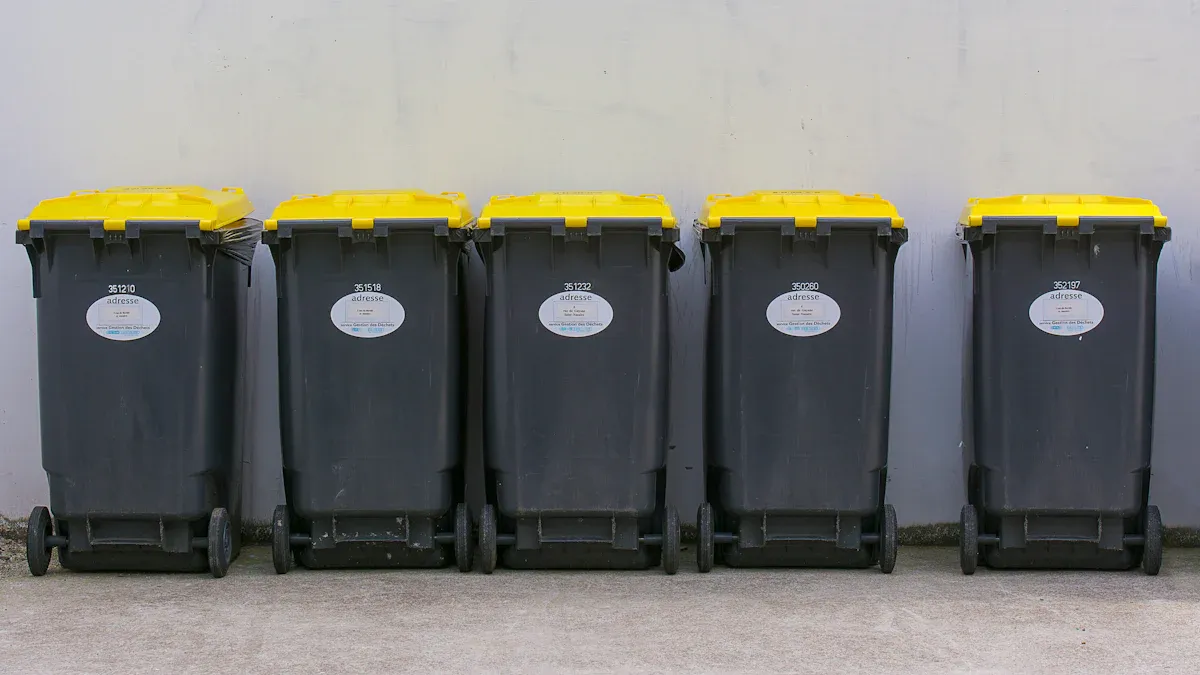
You often see tanks and containers made with rotational moulding. This process lets you create products in many shapes and sizes, from small bins to tanks that hold over 20,000 gallons. You can find these tanks in agriculture, industry, marine, and even in recreational vehicles. Here are some common types:
- Industrial tanks: vertical tanks, cone tanks, open tanks, and rectangular tanks
- Marine and boat tanks: bow-shaped water tanks, battery boxes, and wedge-shaped tanks
- Agricultural tanks: feed troughs, water storage tanks, and chemical tanks
- Recreational vehicle tanks: waste tanks, water tanks, and fender skirts
Rotational moulding creates seamless tanks and containers. This means you get strong corners and walls without weak points or seams. These products resist UV rays, impact, corrosion, and chemicals. They last longer and need less maintenance than metal or wood tanks.
| Tank/Application Type | Typical Sizes/Capacity | Common Uses/Notes |
|---|---|---|
| Commercial, Agricultural, Industrial Storage Tanks | 5 gallons to 20,000+ gallons | Used for water, chemicals, and feed storage. |
| Bins and Bulk Containers | Various sizes, sturdy construction | Used for shipping, food processing, and storage. |
| Marine Water Tanks | Custom sizes | Used in boats and recreational vehicles. |
| Refuse Containers | Custom sizes | Used in waste management and industry. |
Automotive Parts
You find many automotive parts made with rotational moulding. This process helps you create strong, lightweight, and complex parts for cars, trucks, and specialty vehicles. Some common parts include:
| Automotive Part | Description / Performance Benefit |
|---|---|
| Truck Mudguards | Strong and wear-resistant for harsh conditions. |
| Dashboards | Complex shapes for safety and comfort. |
| Door Panels | Curved designs with built-in features. |
| Tool Boxes | Durable and weather-resistant. |
| Storage Containers | Useful for trunk and under-seat storage. |
| Air and Fluid Ducts | Smooth surfaces for better airflow. |
| Bumpers and Spoilers | Impact-absorbing and aerodynamic. |
| Battery Cases | Sealed and strong for electric vehicles. |
| Truck Beds and Liners | Weather and load resistant. |
Rotational moulding gives you design freedom. You can make parts with uniform thickness and no seams, which means better durability and safety. These parts resist corrosion, chemicals, and impacts. They are also lightweight, which helps vehicles use less fuel and produce fewer emissions. Many of these parts meet strict safety standards, such as DOT compliance for fuel tanks and Coast Guard approval for marine tanks.
Marine and Boating Products
If you enjoy water sports or boating, you have likely used products made with rotational moulding. This process is perfect for making items that need to float, resist water, and last in tough conditions. Common marine products include:
- Canoes, kayaks, and small boats
- Dock floats, pontoons, and buoys
- Jet ski parts and marina equipment
- Water sport gear
Rotational moulding lets you create one-piece, leak-free products. These items resist corrosion, UV rays, and chemicals. They are lightweight but strong, so you can move them easily and trust them to last. You can also add colors, logos, and hardware during the Molding Process, which means less maintenance and a longer-lasting look.
Products made this way do not rust or crack. They stay waterproof and resist damage from sun and saltwater. This makes them a top choice for marine and boating needs.
Toys and Playground Equipment
You see many playground slides, swings, and climbing structures made with rotational moulding. Large toys like playhouses and toy chests also use this process. Here is why you benefit from these products:
| Product Types | Safety Benefits and Features |
|---|---|
| Playground slides, swings, climbing structures | Uniform wall thickness for strength and safety. |
| Large toys and playhouses | Seamless edges and double walls prevent cracks and sharp edges. |
| Doll parts, footballs, gym equipment | Flexible and impact-resistant materials. |
These products are safe for children. They do not have sharp edges or weak spots. The materials used are flexible and absorb impacts, which lowers the risk of injury. You can trust these toys and playground items to last through years of play.
Industrial and Agricultural Products
Rotational moulding works well for industrial and agricultural products. You can make large, hollow, and complex shapes that are strong and leak-proof. Some examples include:
- Chemical tanks and seed hoppers
- Livestock feeders and troughs
- Pallets, bins, and containers
- Large trash cans and traffic barriers
- Portable toilets and dock floats
You get seamless interiors, which means no leaks or contamination. The process allows you to choose different sizes and shapes, so you can match your needs. The materials resist chemicals, UV rays, and weather. You also save money on tooling costs, especially for small to medium production runs.
| Aspect | Details |
|---|---|
| Typical Production Volume | Low to medium, due to slower cycle times (15 to 60 minutes per cycle) |
| Cost Implications | Low tooling costs, minimal waste, cost-effective for low to medium volumes |
| Design & Material Benefits | Flexible design, durable, lightweight, seamless, and eco-friendly options |
Medical and Specialty Products
You find rotational moulding in many medical and specialty products. Hospitals use beds, trays, and carts made this way. Medical devices, toolboxes, and even toys for pediatric wards use this process. Here are some unique needs for these products:
- Chemical resistance for cleaning and disinfecting
- Durable surfaces for constant use
- Antimicrobial additives to stop germs from growing
- Seamless construction to prevent contamination
- Compliance with medical safety standards
You can create complex shapes that fit medical needs. The products have uniform walls and resist pressure and impacts. Hospitals and clinics trust these items because they are safe, easy to clean, and reliable.
Custom and Prototype Products with Rotational Moulding
Custom Cases and Enclosures
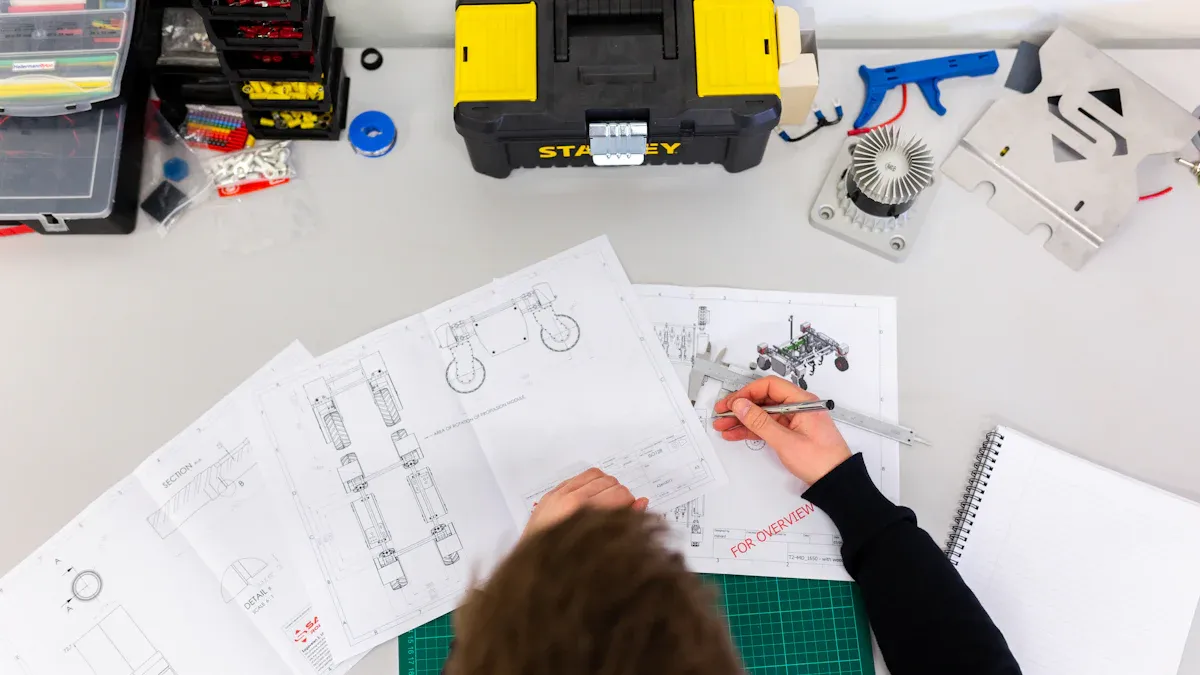
You can use rotational moulding to create custom cases and enclosures for many industries. This process gives you almost unlimited design options at a lower cost than other methods. You can choose from different materials, including those that meet FDA or flame-retardant standards. Here are some benefits you get:
- Consistent wall thickness and strong corners for better protection
- Built-in features like handles, threads, and mounting points
- Multi-wall options, such as hollow or foam-filled designs for insulation
- Custom colors, textures, and graphics for branding
Many companies use this process to make cases for electronics, medical devices, and communication equipment. These cases protect sensitive items from impacts, water, and dust. You can also find insulated storage boxes for medicines and rugged weapon cases. The seamless design means you do not need extra seals or gaskets, which makes your product more reliable.
Tip: Rotational moulding keeps tooling costs low, so you can create complex, durable cases without a big upfront investment.
Prototyping and Low-Volume Production
If you need to test a new product or make a small batch, rotational moulding is a smart choice. You can quickly produce hundreds or thousands of parts without spending much on molds. The process supports fast changes, so you can try different designs and get feedback quickly. A typical cycle takes about 30 to 90 minutes, depending on the product size and thickness.
| Process Stage | Typical Duration |
|---|---|
| Heating | ~25 minutes |
| Cooling | ~25 minutes |
| Total Cycle | 30 to 90 minutes |
You get strong, hollow parts with even walls and almost no weak spots. This method works best for large, simple shapes. If you want to move from prototype to production, you can scale up by using more molds or machines.
You benefit from rotational moulding when you need large, hollow, and durable plastic products.
- This process gives you strong, seamless parts for tanks, playground equipment, and automotive items.
- You save money with low tooling costs and minimal waste.
- Many industries choose it for its design flexibility and long-lasting results.
FAQ
What shapes work best with rotational moulding?
You get the best results with large, hollow, and simple shapes. Complex designs with undercuts or sharp corners may not form well.
Can you add colors or logos to rotomoulded products?
Yes! You can choose custom colors. You can also add logos or graphics during the moulding process for a lasting finish.
How strong are products made with rotational moulding?
Rotomoulded products have even wall thickness and no seams. This makes them strong, durable, and resistant to impacts and harsh weather.
Tip: You can use rotomoulded products outdoors for many years without worry.